
For all children.
Way Back Home™
Our Pillars
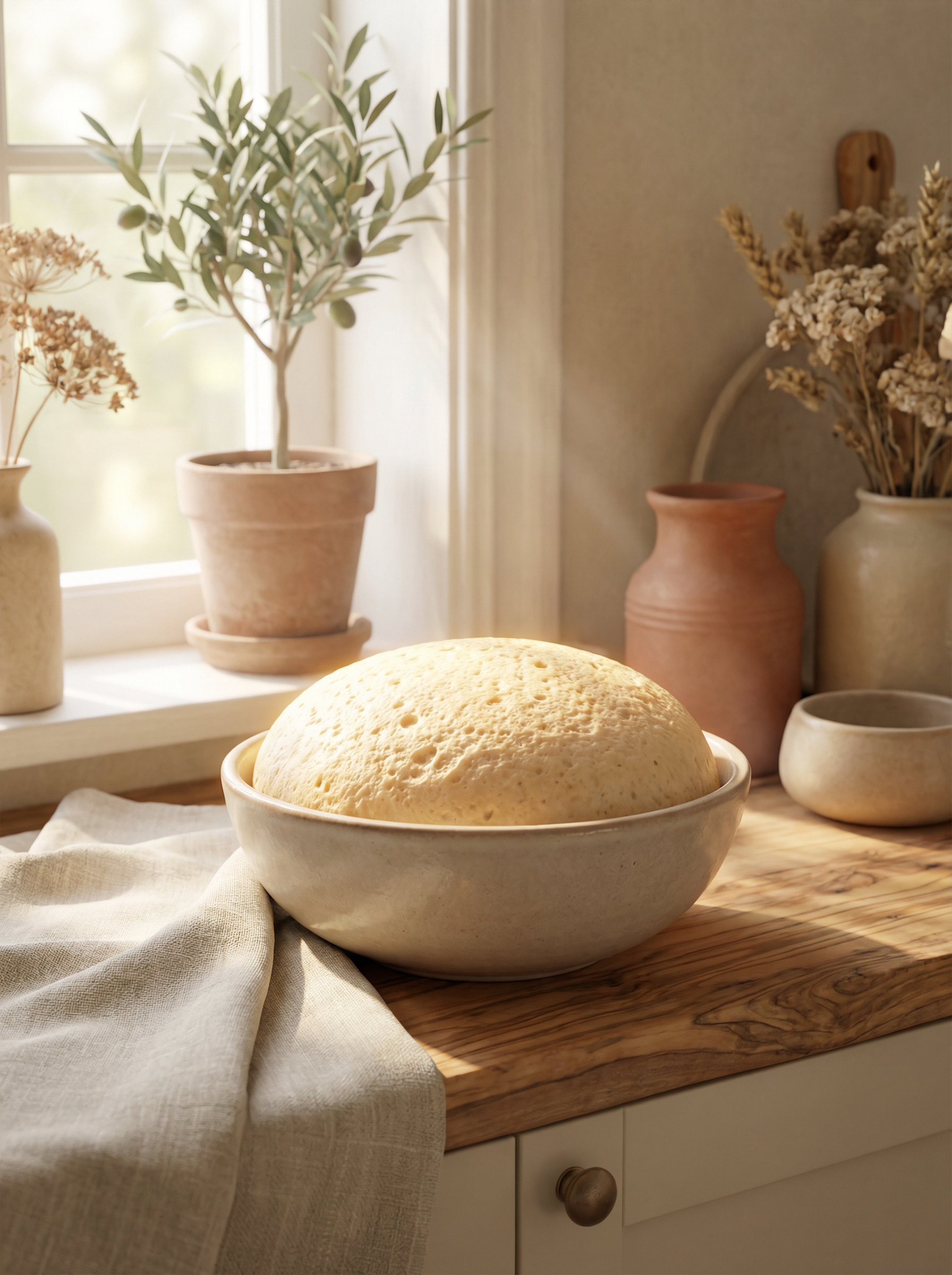
Our philosophy is like the simple act of baking bread every day. Just as a baker honors the raw ingredients and trusts the natural process, we believe every child arrives already whole, carrying all they need within.
-
Our commitment to physical and emotional safety is absolute and non-negotiable.
-
Just as bread is a fundamental nourishment that cultures worldwide have perfected over thousands of years, our foundational approach is grounded in what scientific research has validated.
-
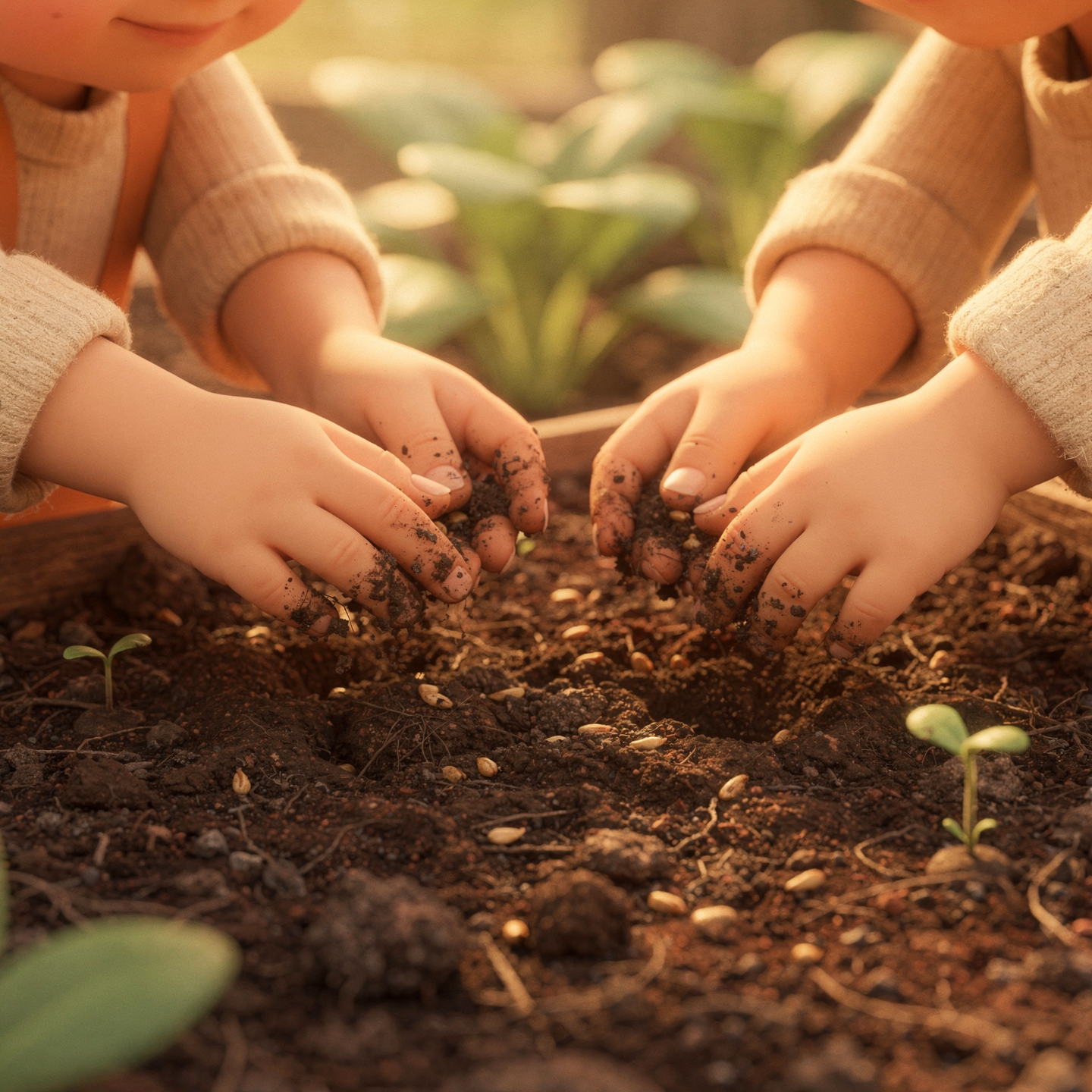
Anyone who has baked cookies with a child knows that the process involves flour on the floor, dough under fingernails, and chocolate chips that somehow end up everywhere except in the cookies. And yet, those messy moments are often where the magic happens. The laughter, learning, and joy! We don't expect children to show up put-together. We welcome the mess, because getting messy doesn't mean chaos. It means creating structured opportunities for learning and exploration within safe boundaries. We celebrate attempts and normalize that learning involves mistakes.
-
Like cotton threads woven together to create strong fabric, we believe in genuine partnership with families. We enjoy providing updates on progress, sharing observations, and staying in dialogue about your child's growth. Growth Report is provided after each session.
-
Dandelions thrive in diverse conditions, adapting to varied environments while maintaining their essential nature. This is the essence of cultural humility. Cultural humility means recognizing that we are lifelong learners in understanding others' cultures, values, and experiences. We embrace ongoing growth and the recognition that we will never fully "know" another's culture.
Culture isn't just about race or ethnicity. It encompasses socioeconomic status, religion, language, family structure, geographic region, sexual orientation, gender identity, disability status, and countless other dimensions of identity. Every family exists at the intersection of multiple cultural identities.
We recognize that within-group differences can be as significant as between-group differences. We never make assumptions based on visible cultural markers, instead inviting families to teach us about their unique experiences and values.
Ask, Don't Assume: We invite families to share what's important to them rather than making assumptions based on cultural background.
Adapt Our Approach: We flex our approach to align with family values and communication preferences.
Our Values
The goal is never a perfect loaf. It is the joy of growing through the process.
-
We celebrate bold ideas, happy accidents, and the magic that happens when things don’t go as planned.
-
We believe learning opportunities should be available to a wide range of children, with support options helping Way Back Home™ remain inclusive and accessible.
-
Children learn alongside experienced educators and mentors who model creativity, discipline, and lifelong learning.
-
We emphasize participation, experimentation, and creative thinking over polished outcomes.

Science Behind Our Approach
We meticulously draw upon cutting-edge research and time-tested frameworks in lifelong well-being.
-
Montessori Education
Developed by Dr. Maria Montessori (physician, educator, and founder of the Montessori Method), this globally respected educational philosophy is built on a powerful belief: children learn best when they are given meaningful choices, hands-on experiences, and the freedom to explore at their own pace. Research has consistently demonstrated a wide range of developmental and educational benefits:
Stronger Independence: Children are encouraged to make choices, solve problems, and take ownership of their learning, helping them develop confidence and self-reliance from an early age (Lillard, 2017).
Enhanced Concentration: Extended periods of uninterrupted work support engagement, attention spans, and the ability to stay focused on meaningful tasks (Lillard, 2019).
Improved Executive Function Skills: Montessori students often demonstrate stronger planning, organization, working memory, self-control, and flexible thinking skills (Lillard et al., 2017).
Greater Love of Learning: By following their interests, children develop intrinsic motivation, curiosity, and a lifelong enjoyment of learning (Ryan & Deci, 2000).
A Foundation for Lifelong Success: Montessori education helps nurture independence, responsibility, adaptability, confidence, creativity, and a growth-oriented mindset—qualities that support success both in school and beyond (Dohrmann et al., 2007; Lillard, 2017).
-
Originating in the town of Reggio Emilia, Italy, and inspired by educator Loris Malaguzzi, this internationally respected educational philosophy views children as capable and full of potential. It emphasizes child-led exploration, creativity, collaboration, and learning through real-world experiences. Research and educational practice have consistently highlighted a wide range of developmental and educational benefits:
Enhanced Communication Skills: Collaborative discussion, documentation, storytelling, and inquiry-based learning can produce 15–30% gains in expressive language and communication confidence (Edwards, Gandini, & Forman, 2012; Rinaldi, 2006).
Greater Intrinsic Motivation: Student-centered learning environments consistently show 20–35% higher engagement levels and stronger intrinsic motivation compared to traditional teacher-directed settings (Deci & Ryan, 2000; Katz & Chard, 2000).
Improved Critical Thinking: Inquiry-based educational approaches similar to those used in Reggio-inspired settings demonstrate 20–40% improvements in higher-order thinking (Hmelo-Silver et al., 2007; Bell, 2010).
Stronger Social Skills: Cooperative learning research has found 25–50% improvements in peer cooperation and teamwork skills when children regularly engage in collaborative projects (Johnson & Johnson, 2009).
-
Developed by Carol Dweck, a Growth Mindset is the belief that abilities, intelligence, and skills can be developed through effort and learning from mistakes. Rather than viewing challenges as evidence of limitations, children learn to see them as opportunities for growth. This research-backed approach helps children build robust resilience.
Greater Academic Achievement: Students taught growth mindset principles demonstrate academic gains of approximately 10–30%, particularly when combined with supportive learning environments and effective teaching practices (Dweck, 2006; Yeager et al., 2019).
Increased Resilience: Growth mindset interventions have been shown to increase perseverance, task completion, and willingness to tackle challenging work by approximately 20–40% compared to control groups (Blackwell, Trzesniewski, & Dweck, 2007).
Greater Confidence When Facing Challenges: Children who view mistakes as part of learning demonstrate 20–50% greater willingness to attempt difficult tasks, take healthy risks, and persist after setbacks (Mueller & Dweck, 1998; Dweck, 2006).
Improved Response to Feedback: Growth mindset education significantly increases students' ability to use feedback constructively, leading to measurable improvements in performance over time (Hattie & Timperley, 2007).
Stronger Adaptability: Children who embrace growth-oriented thinking demonstrate greater cognitive flexibility, creative problem-solving, and adaptability when facing obstacles (Dweck, 2006; Yeager & Walton, 2011).
7 Dimensions of Enrichment
Our approach is like caring for a garden. Every plant grows in its own way, yet each one benefits from sunlight, nourishment, and time. Rather than focusing on a single outcome, we support the many areas of development that help children flourish both now and throughout their lives.
-
-
-
-
-
-
Item description
-